
Follow Us





Sharing


 Gardening with Uncle Mac
- Amanda Dcosta, views and reviews…
- My Writing Life with MJ Logan
- Julie Helms with peeps and sheep
- Camping out with Jim Bessey
Follow Us
Morgidoo’s Christmas Carol: The Bells of Blister
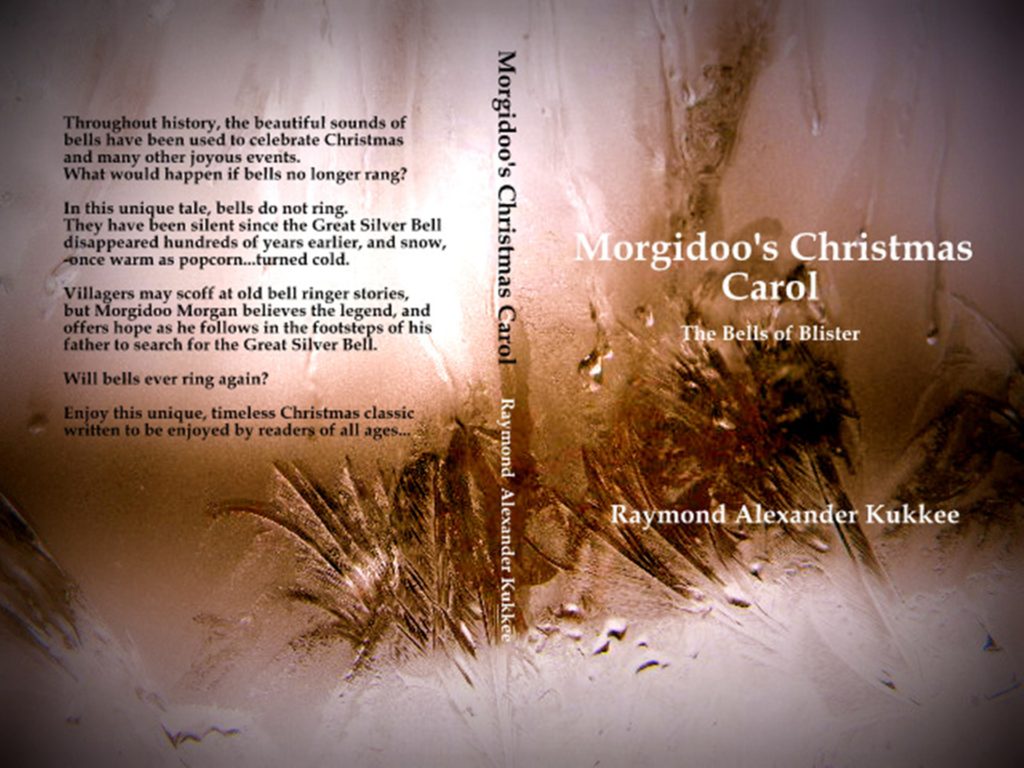
Morgidoo’s Christmas Carol: The Bells of Blister 3rd Edition Cover Artwork by Whitewood Forge Publishing All rights reserved. Available at Amazon and other fine bookstores in both eBook and Print
A Timeless Christmas Legend
*For readers of all ages.
“What if bells no longer rang?
In this unique tale, bells do not ring. They have been silent since the Great Silver Bell disappeared hundreds of years earlier -and snow, once as warm as popcorn, turned cold. Villagers may scoff at the old bell ringer and his stories, but Morgidoo Morgan believes the legend, and offers hope as he follows in the footsteps of his father to search for the Great Silver Bell. Will bells ever ring again? Enjoy this unique, timeless classic written to be enjoyed by readers of all ages.https://www.amazon.com/Morgidoos-Christmas-Carol-Bells-Blister/dp/1523683821
Sharing
- Glory Lennon on the gardening life
- Gardening with Uncle Mac
- Amanda Dcosta, views and reviews…
- My Writing Life with MJ Logan
- The exciting world of Momzinga with Kate Johns
- Julie Helms with peeps and sheep
- Camping out with Jim Bessey
Category Archives: Nature
Gardening: The Garlic Compendium
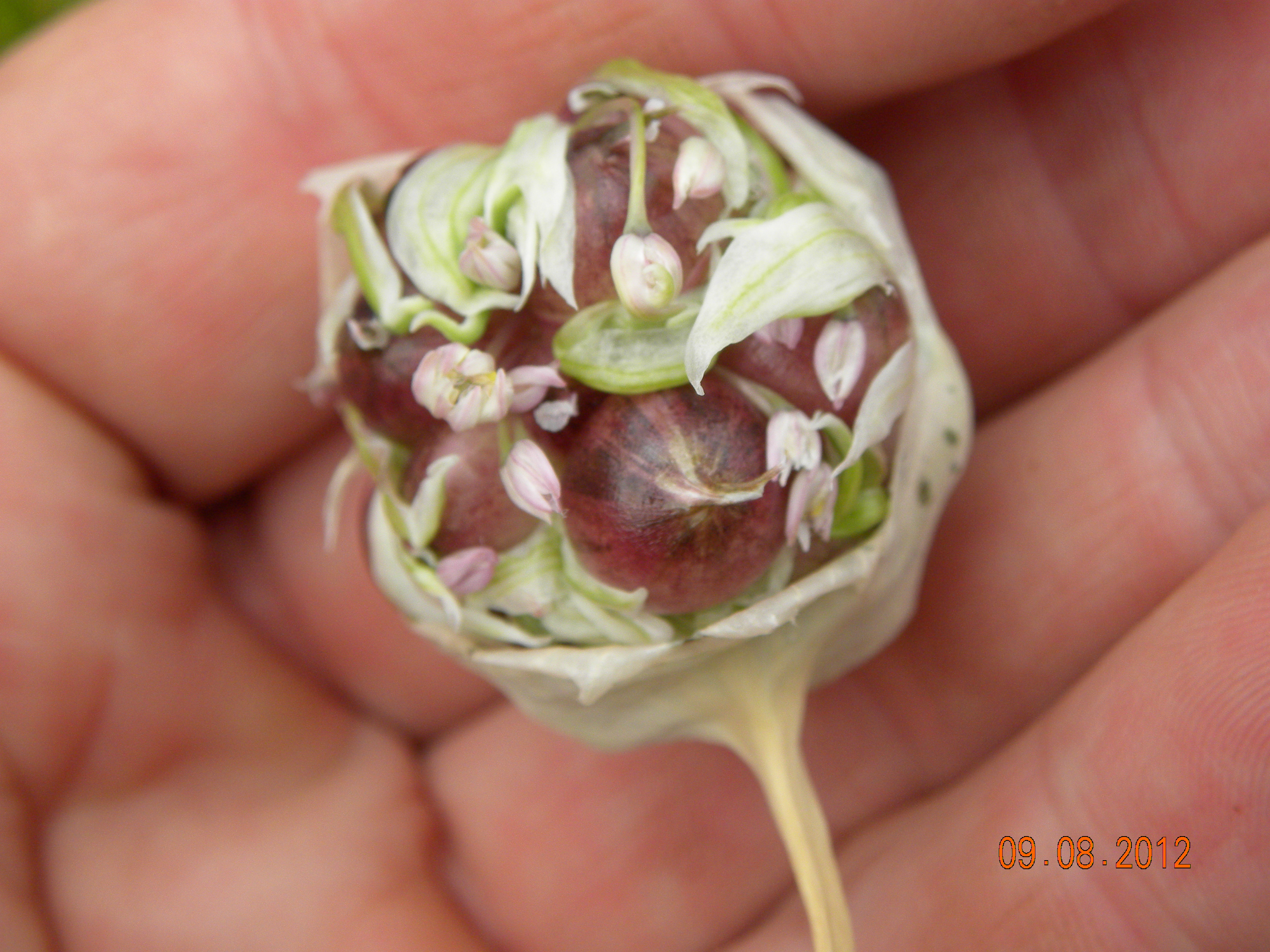 Garlic floret containing mature garlic bulbils (seed) in hand photo by rakukkee[/caption]
Garlic: A Gem with a Social Stigma?
It's a garlic conundrum: We either love garlic or hate it. Garlic is a gastronomical delight with wonderful flavour and health benefits for those willing to bravely enjoy the pungent, lingering odor of garlic. In this Garlic compendium you'll discover why.
One perhaps must happily ignore the traditional stereotype image of the 'European' consumer, garlic snappers', wise and brave people who dared to eat garlic raw for it's inherent health benefits. Even with it's interesting modern attributes now well known, garlic remains the epitome of' bad breath' flavours —even though it was once even considered helpful to repel evil spirits. Braids of this deterrent were wishfully hung on front doors to chase away zombies, the walking dead, and other assorted undesirable visitors. Garlic is gaining popularity, but it is also little wonder deodorized garlic products were invented..
Aside from the daunting negative aspect of lingering odour, garlic offers health benefits not the least of which is the lowering of blood pressure. Garlic acts as an antiseptic, and is loaded with antioxidants, reportedly even helping to prevent cancer because it contains S-Allycysteine.
Garlic also happens to be a glorious, irreplaceable vegetable and spice in the kitchen. That's a good reason to grow garlic in your garden.
What kind of Garlic should we Grow?
There are many varieties of garlic to choose from, different tastes, some very hot and spicy, and some very mild and bland. There are a large number of garlic varieties, but generally, garlic is divided up into three basic categories:
- Soft necked Varieties Typically have a soft, fat neck.
- Hard necked Varieties Typically have a hard center stem
- Porcelains Typically display a satin-like wrapper on the bulb.
Garlic: Is Bigger Better? You decide.
Elephant garlic is a soft-neck variety, and is very large compared to ordinary varieties of garlic. Everyone is impressed with the gigantic garlic which displays a huge bulb. It is our human nature to want 'bigger' vegetables Garlic is no exception. Elephant Garlic (allium ampeloprasum) in some circles might even be considered to be closer to a leek than it is to garlic.
Elephant garlic is indeed endowed with size, --a single clove can be bigger than a bulb of most varieties, --but the giant lacks the power of, and cannot be substituted with true garlic varieties if called for in a recipe. The giant is substantially milder and is used where only a hint of flavour is desired. One additional and important point to remember about the the elephant variety is that like other soft-neck varieties of garlic, it does not store for an extended period of time. By comparison, ordinary white varieties are far smaller,much stronger in flavour, and will store far longer periods of time.
The Garlic Compendium: Garlic Varieties
A few varieties are listed following, but across the world, new varieties are being discovered every year by garlic growers and aficionados. Home gardeners will also discover that this unique vegetable may hybridize and acclimatize to your garden location and conditions, eventually producing a strain that is marginally different.
Soft neck Varieties (Allium sativum sativum)
Soft neck varieties typically have a thicker, soft neck. The bulbs do not store for periods as long as the hard-necked varieties do.
Inchelium Red mild flavour, heavy bulbs, 8-15 cloves per bulb
Chengdu robust flavour, hot.
Lorz Italian strong flavour, hot, 12-19 cloves per bulb, resembles artichoke
Polish White strong flavour, large bulbs. 8-12 cloves per bulb.
Susanville mild flavour, white-skinned variety 10-12 cloves per bulb
HARD NECKED Varieties (Allium sativum ophioscordon)
Hard-necked varieties mature with a hard center stem. (the root/floret stock). Hard-necked varieties are more difficult to braid for storage, but store for longer periods of time successfully. These varieties include the Rocambole ( Italian ) garlic varieties.
Bai Pi Suan Marbled purple stripe, medium to hot late variety
Belarus Early, purple stripe, 6-9 cloves in each bulb
Bogatyr Big cloves, hot flavour, white with 5-7 purple cloves
Fireball Purple, a spicy variety, 7-8 cloves with red skins
Jovak Late, marbled purple stripe
Kazakstan Early variety, white, 7-8 cloves per bulb
Kyjev (Kiev) Larger bulbs, 4 cloves per bulb
Metechi Strong flavour, marbled purple stripe with 4-7 large cloves/bulb
Purple Glazer Purple/silver, strong, lacks after taste, 8-12 bulbs/clove
Purple Trillium Early variety, smaller, 6-7 cloves/bulb
Siberian Strong flavour, 7-8 pink-skinned cloves, ultra hardy
Uzbekistan Purple Stripe, large cloves, 2-6 per bulb
Zemo Recommended for the north, Spicy, mild heat 2-6 bulbs/clove
Chinese Purple An early, vigorous Asiatic variety with rich flavour
California White Characteristics Unknown but reportedly similar to *Music
Porcelain Varieties of Garlic
Porcelain varieties grow well under diverse conditions including in our colder North American geographic areas. Strong-flavoured, Porcelain varieties usually have 4-7 larger cloves and have a typically satin-colored wrapper on the bulb. Porcelain garlic varieties are attractive and usually do well in home gardens.
* Music is a classic (Heritage) porcelain garlic variety. It is early, a good producer with mild, large bulbs, and typically may have 5-6 cloves/bulb.
Growing Garlic in Your Garden
Garlic grows best in well-prepared, rich soil. Separate the bulbs into individual cloves, and choose the largest cloves for planting. Plant garlic 2” deep, 4” apart, late in the fall a couple or three weeks prior to the ground freezing for the best results. Mulch heavily for winter protection if desired, but garlic tolerates freezing well.
Optimal timing for planting in the fall in your specific area should allow newly-planted garlic to develop excellent root systems, but not break ground with top growth. Note that fall planting is preferable, but if planting in the spring, plant garlic as soon as the soil can be worked.
In the spring, remove heavy mulch cover and mulch around the plants carefully to retain moisture and suppress weeds. Keep weed-free. When the garlic produces curled floret stems (called scapes) remove them for larger bulb production. Use the scapes and immature florets in salads and cooking. If you allow florets to develop, the small bulbils (garlic “seed” ) can be planted in the fall. Bulbils planted in the fall will produce small garlic bulbs in the subsequent growing season. It's a great idea to plant a few bulbils, some second-year bulbs,(which may be small-onion-like) and full-sized cloves--which can help you develop your own strain of garlic.
Harvesting and Storing Garlic
Harvest garlic when the leaves begin to turn yellow. Pull the garlic bulbs and lay them on a bench to dry. Remove excessive soil and clean the bulbs. You can either braid the garlic and hang the braids up to dry, or bench them for a few days, allow the leaves to dry completely, twist the dried leaves off, and store the bulbs in mesh bags in a dry,dry, cool environment.
Later in the fall, when it is right for your geographical area, choose healthy bulbs, separate the cloves, and again, choose the largest bulbs for fall planting about 2- 3 weeks prior to the ground freezing. If timed correctly, the tops will not break the surface, but for the curious green thumb garlic lover, excellent root structures can be observed on the planted cloves, empowering spring growth and success.
YES, it is time to plant garlic.
Is that Incoming I hear?
#
Writing Life: Reflections: The Quieting
 Antique: Life Head on Photo © 2013 by wlk photography[/caption]


