
Follow Us





Sharing


 Gardening with Uncle Mac
- Amanda Dcosta, views and reviews…
- My Writing Life with MJ Logan
- Julie Helms with peeps and sheep
- Camping out with Jim Bessey
Follow Us
Morgidoo’s Christmas Carol: The Bells of Blister
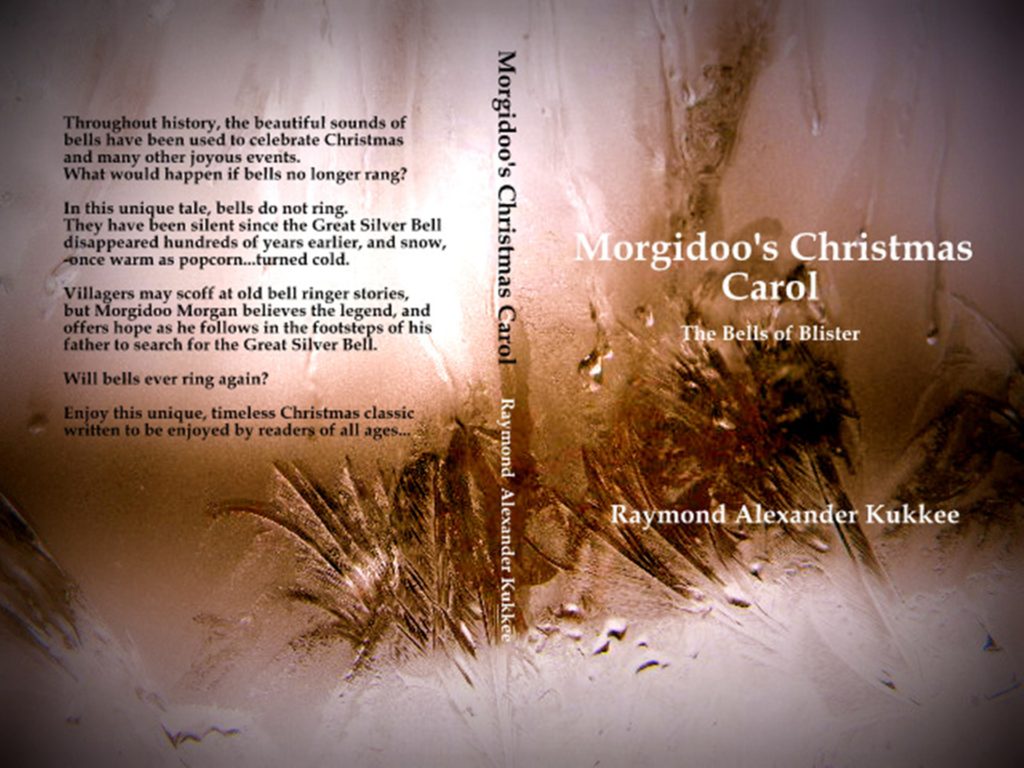
Morgidoo’s Christmas Carol: The Bells of Blister 3rd Edition Cover Artwork by Whitewood Forge Publishing All rights reserved. Available at Amazon and other fine bookstores in both eBook and Print
A Timeless Christmas Legend
*For readers of all ages.
“What if bells no longer rang?
In this unique tale, bells do not ring. They have been silent since the Great Silver Bell disappeared hundreds of years earlier -and snow, once as warm as popcorn, turned cold. Villagers may scoff at the old bell ringer and his stories, but Morgidoo Morgan believes the legend, and offers hope as he follows in the footsteps of his father to search for the Great Silver Bell. Will bells ever ring again? Enjoy this unique, timeless classic written to be enjoyed by readers of all ages.https://www.amazon.com/Morgidoos-Christmas-Carol-Bells-Blister/dp/1523683821
Sharing
- Glory Lennon on the gardening life
- Gardening with Uncle Mac
- Amanda Dcosta, views and reviews…
- My Writing Life with MJ Logan
- The exciting world of Momzinga with Kate Johns
- Julie Helms with peeps and sheep
- Camping out with Jim Bessey
Category Archives: The Human Mind
Writing Life: The Harmful Effect of Words
© 2008, 2013 by Raymond Alexander Kukkee
[caption id="attachment_119" align="aligncenter" width="300"] Harmful words waiting to be written?[/caption]
"The power of language is highly variable, even unpredictable "
In the course of your writing career, have you ever used the wrong word by mistake, a sharp criticism —a foul invective, the 'f'-word, poorly expressed, unnecessarily uncivilized language, and perhaps too late concluded a far better, less damaging choice of words could have been made? Welcome to the harmful effect of words.
As writers, our use of words is fraught with traps and treasures. Words from the heart, off the tip of the tongue, or withdrawn from deep in the mind can do many things, both positive and negative, at times unexpectedly.
From any perspective, words used effectively can delight, make the human spirit soar to ultimate happiness, joyand enlightenment, or reduce an already barren, downtrodden human being to extreme depths of despair and helplessness and ultimately, destruction. Words may also initiate,cultivate and exacerbate the darkest, intractable hate.
Harmful effect of words: the unpredictable
The instantaneous power of language is highly variable, even unpredictable. Words by themselves may be completely innocent, innocuous, or in the other extreme, wickedly pointed, savagely powerful and dangerous. Unknown to us, the derivative effects of words may be even more so. Caution is required. Why? Interpretation, although normally 'routine', can result in the unexpected.
The listener, the reader, the condition of the recipient mind —may be unknown, undefined, and unpredictable; in that respect, words are virtually unlimited in interpretation. We do not know what thought, feelings or actions words taken out of context may precipitate. Eloquent, specific and careful, even gentle use of words —both written and spoken is clearly a worthy goal if the potentially harmful effect of words is to be avoided.
Writers may benefit greatly from thoughtful word usage, or equally, find themselves subject to severe criticism for using words that inadvertently result in pain. Even using gentle, ordinary words without malicious intent may, in interpretation, appear to describe traits, savage the character of individuals, alienate, or colour an individual group with an indelible stain. Inadvertent or careless reference to ageism, gender, race, or a miscellaneous classes of people in an indiscriminate manner can be damaging, hurtful —and unnecessarily so.
Used with offensive context, indeterminate interpretation of simple truth as criticism, the wrong words can wreak havoc unintentionally, invoking stress, negativity, and at times, unwanted backlash, warranted or not. The wrong words can dethrone kings and destroy careers.
At times it may be difficult to avoid foul language and four-letter words, achieve a reasonable balance in wordsmithing without succumbing to the stupidity of excessive "political correctness gone mad, especially where topics and issues invoke outrage, bloodlust and passion. As writers, thinking thrice before writing once can certainly —at least at times, be extremely helpful in avoiding the potentially explosive and harmful effect of words.
We try, but may not always succeed. Should we feel bad about it if we fail upon occasion? No. Yes. Maybe. Perhaps all we can ask of ourselves as we relay a blistering message important to our hearts and the well-being of humanity is to be aware, and ultimately do our best in applying pen to paper. Let's have coffee and think about it.
Is that Incoming I hear?
+Typhoon Haiyan: There are Few Words
 Destruction inTacloban City after Typhoon Haiyan photo by metro.co.uk[/caption]
"If Typhoon Haiyan is not a wake-up call to the leaders of all nations, what is?There are few words that can adequately describe the horror of the latest environmental tragedy in the Philippines following what may be the largest, most severe storm in recorded history. Typhoon Haiyan (Yolanda) lashed the Philippines with unprecedented furor and destruction. With winds up to 380km/hr and a 16ft.ocean surge, low-lying islands, cities, and the shantytowns of the poor were flattened, flooded and decimated. Perhaps 11 million people affected and 1.9 million or more people homeless, without food, water or shelter, entire cities and islands trashed, thousands of people have been killed and thousands are missing. The magnitude of this disaster defies the imagination of the civilized world --almost to a surreal state of disbelief as mass graves are filled with unidentified dead. The Philippines will clearly not recover for many years other than by the human spirit and the resilience of the people. World-wide, there can be no such thing as ' too much help' offered to the Philippines at this time.


