
Follow Us





Sharing


 Gardening with Uncle Mac
- Amanda Dcosta, views and reviews…
- My Writing Life with MJ Logan
- Julie Helms with peeps and sheep
- Camping out with Jim Bessey
Follow Us
Morgidoo’s Christmas Carol: The Bells of Blister
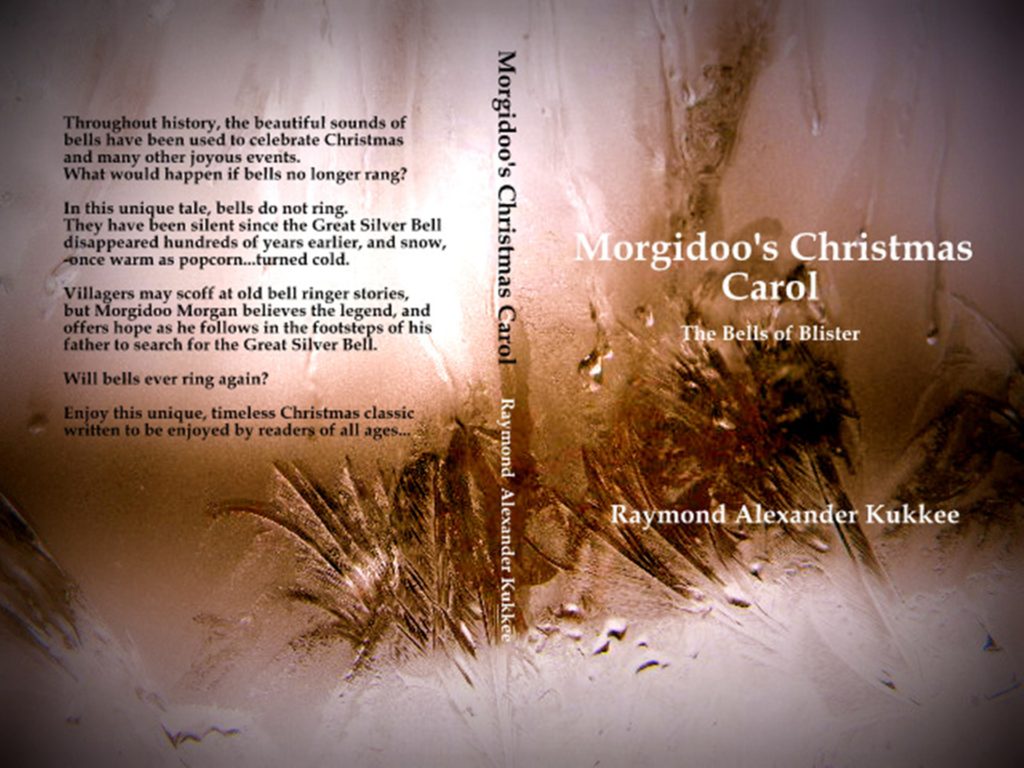
Morgidoo’s Christmas Carol: The Bells of Blister 3rd Edition Cover Artwork by Whitewood Forge Publishing All rights reserved. Available at Amazon and other fine bookstores in both eBook and Print
A Timeless Christmas Legend
*For readers of all ages.
“What if bells no longer rang?
In this unique tale, bells do not ring. They have been silent since the Great Silver Bell disappeared hundreds of years earlier -and snow, once as warm as popcorn, turned cold. Villagers may scoff at the old bell ringer and his stories, but Morgidoo Morgan believes the legend, and offers hope as he follows in the footsteps of his father to search for the Great Silver Bell. Will bells ever ring again? Enjoy this unique, timeless classic written to be enjoyed by readers of all ages.https://www.amazon.com/Morgidoos-Christmas-Carol-Bells-Blister/dp/1523683821
Sharing
- Glory Lennon on the gardening life
- Gardening with Uncle Mac
- Amanda Dcosta, views and reviews…
- My Writing Life with MJ Logan
- The exciting world of Momzinga with Kate Johns
- Julie Helms with peeps and sheep
- Camping out with Jim Bessey
Category Archives: Landscaping
Gardening Life: Two stones
© 2013 Raymond Alexander Kukkee
[caption id="attachment_1574" align="aligncenter" width="584"]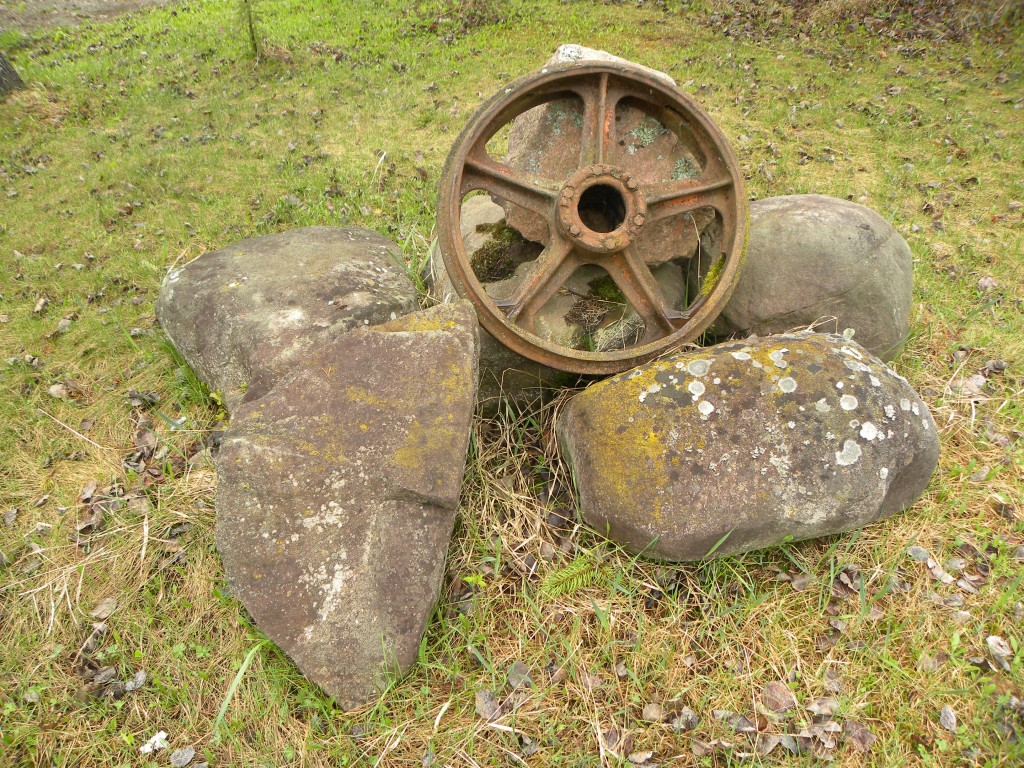 Garden Rocks of the Past[/caption]
beach silt casting sand so fine somebody might be tempted to cast bronze bells with it, but we haven't found anyone clever enough to buy it yet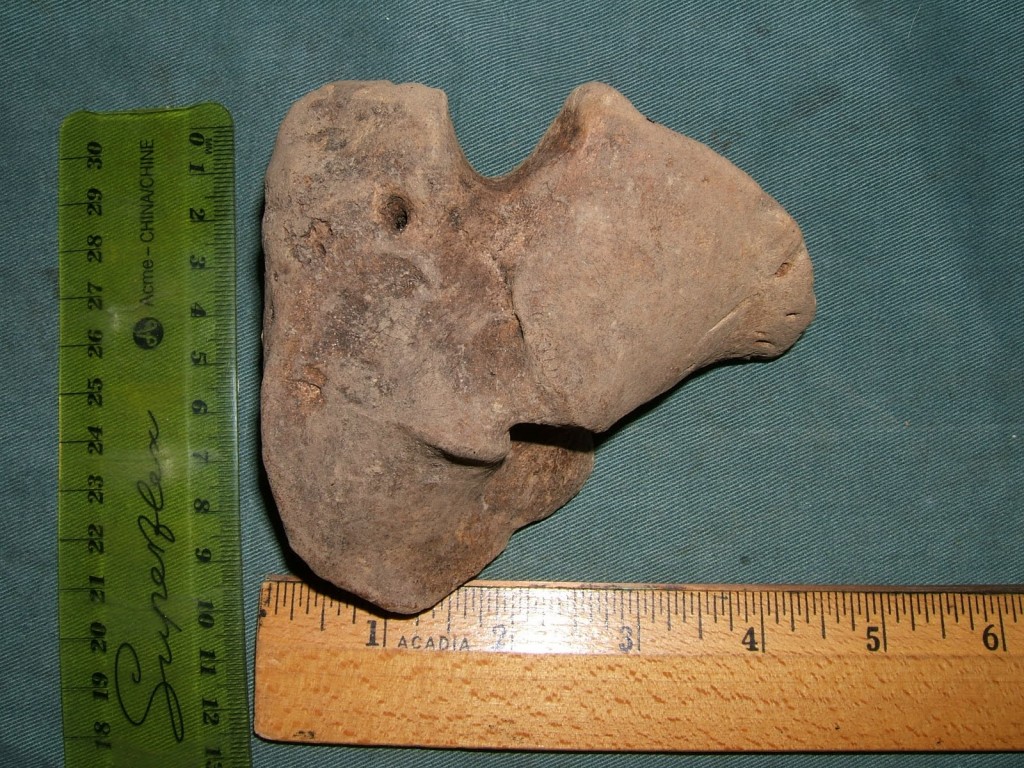
 Two NEW garden stones[/caption]
This year, twice again, the antique cultivator went flying, and we don't have to wonder why, the poor old teeth hit huge stones. Two stones. A hundred+-pounder and a relative baby, perhaps sixty pounds of sub-rounded, field-smooth greywhacke -- heavier than I care to have to lift out of a hole.
"How come there are still stones in your garden? " casual observers ask. "How is that possible?" "Why didn't you just take the stones out of your garden in the first place?" They ask innocently, smirking with devious intent.
"I do, " I say, "every year, see this one?" politely refraining from whacking the inquisitor upside the head with my long-handled shovel. "They grow, like magic mushrooms" I explain. "They grow faster than potatoes, just below the surface of the soil, and lurk there like icebergs, waiting to attack my cultivator." Sometimes the curious even believe me. Maybe. They scratch their heads in wonder.
If they turn out to be non-believers, I try the birds and the bees approach for comic relief. "Two stones or more procreate, hatching pebbles and small stones in endless generations of gravel and rocks" .
Two NEW garden stones[/caption]
This year, twice again, the antique cultivator went flying, and we don't have to wonder why, the poor old teeth hit huge stones. Two stones. A hundred+-pounder and a relative baby, perhaps sixty pounds of sub-rounded, field-smooth greywhacke -- heavier than I care to have to lift out of a hole.
"How come there are still stones in your garden? " casual observers ask. "How is that possible?" "Why didn't you just take the stones out of your garden in the first place?" They ask innocently, smirking with devious intent.
"I do, " I say, "every year, see this one?" politely refraining from whacking the inquisitor upside the head with my long-handled shovel. "They grow, like magic mushrooms" I explain. "They grow faster than potatoes, just below the surface of the soil, and lurk there like icebergs, waiting to attack my cultivator." Sometimes the curious even believe me. Maybe. They scratch their heads in wonder.
If they turn out to be non-believers, I try the birds and the bees approach for comic relief. "Two stones or more procreate, hatching pebbles and small stones in endless generations of gravel and rocks" . They look at me strangely, exchange knowing glances, and try to escape to Timmy's for coffee, leaving me mumbling to myself. I offer them a shovel. "Let's not get too carried away, that looks like work." I hear one laughing as they leave.
The real question is, "where did those big stones really come from?" might have occurred to genuinely interested and even inquisitive coffee-drinkers. Every wise gardener knows visitors they show up unannounced.The stones, I mean. Uh, huh. The fact is, much to the dismay of cultivators, gardeners and disbelievers all, Jack Frost heaves them up, a little bit every year, one at a time, two stones at a time, or dozens annually, like it or not.
I resign myself to the unnecessary ways of Jack Frost and get back on the shovel. Not leaning on it, but genuine digging. That's a given if I want any teeth left on the antique cultivator next season..... I dig'em out, the stones, I mean, there's no stopping me, gardeners are brave and persistent. I think better of it and go have coffee first.
[caption id="attachment_1577" align="alignleft" width="584"]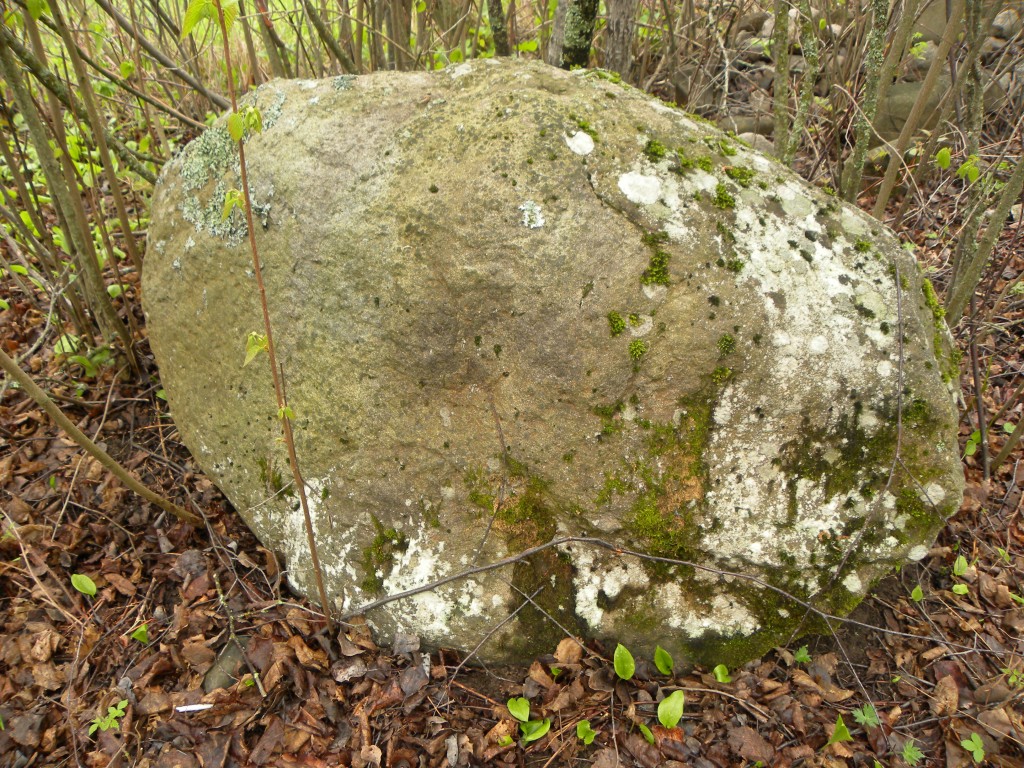 Original Garden Rock--Several tons-Removed from the same garden plot[/caption]
By the way, there's actually a simple method to get huge stones out of a hole in your garden, hundred-pound brutes or bigger. Even thousand pound beasts. I'll fill you in on that technique, you can find that here. Let's say you have two stones to work with. Big ones. Anyone can lift pebbles out of the garden, but to get big, clay-covered, slick, wet and rounded rocks out of a hole? That takes some work...but it's amazingly simple. You'll see that it's a good idea to dig them out before they get any bigger.
Is that incoming I hear?
#
Photos © r.a.kukkee
+
Original Garden Rock--Several tons-Removed from the same garden plot[/caption]
By the way, there's actually a simple method to get huge stones out of a hole in your garden, hundred-pound brutes or bigger. Even thousand pound beasts. I'll fill you in on that technique, you can find that here. Let's say you have two stones to work with. Big ones. Anyone can lift pebbles out of the garden, but to get big, clay-covered, slick, wet and rounded rocks out of a hole? That takes some work...but it's amazingly simple. You'll see that it's a good idea to dig them out before they get any bigger.
Is that incoming I hear?
#
Photos © r.a.kukkee
+
 Garden Rocks of the Past[/caption]
"Big Stones Grow in Ontario"
In the gardening life, when the new growing season finally rolls around, loyal growers of vegetables working hard at tilling the dark earth never know quite what to expect. Gardening is discovery. It's a given that some fortunate gardening types have discovered lovely, rich organic soil in the back yard, a foot or more deep with nary a stone in sight. Others have discovered converted gravel pits. Have you ever seen signs, "Clean fill wanted" on undeveloped lots? They get it free, 'clean fill with boulders, old cement blocks, bricks and assorted trash, you get the idea. Surprises for the new homeowner/gardener. Yet other folks have discovered bone-dry, brick-hard clay, not easy to till, and it grows flat potatoes. In the annual spring ritual, some lucky stiffs have even found dirt-encrusted diamonds, gold nuggets, old fishing lures, the odd old skull, or even older mason jars full of cash. It's called gardening. We, on the other hand, discovered stones. In times past, long ago- we discovered we are blessed with a quasi-usable offering of heavy dirt containing clay, loam, and a mundane collection of very ordinary stones of various ages and sizes. Glacial till might best describe it. No diamonds or gold nuggets here. Perhaps the odd tiny piece of quartz, or bloodstone,-- those can be exciting, but no, most are ordinary rocks. That flash of red was a wrinkled beet I missed last year. Sprouting already. No matter, it's another 'good earth' garden discovery in the weedery. Perhaps that top layer, enriched by a few centuries of grass, leaf mold and forest duff -extends down 6" or 8" in our garden if we're lucky. In Northwestern Ontario, the local topsoil --the best stuff--supposedly went down south with the glaciers. Underneath our remaining topsoil there is a layer of clay, two feet thick or more, with a hardpan layer beneath that-- so hard it tests the patience of a pick-axe. The stuff is hard. It looks like concrete. Well, okay, not quite, it's brown, but so what, it's got just as many assorted pebbles in it and gravel bits, you name it. Beneath all of that exciting stuff is an undetermined thickness of
Two Stones
Then there are stones. Big ones. Two stones. Two new ones this year, that is. They keep appearing out of nowhere. For a garden that's been in the same spot for 30 years with the stony soil turned and cultivated annually, one would think all of the stones should have been found, or migrated into handy rock piles on the sidelines somehow by now. Some softer types may may be turned into sand by the aging rototiller, which hates stones, -but that's another story. Regardless, they should be gone by now, discovered by the weeder's hoe, shovel, or unfortunate toe ---but no. These are intact, dedicated rocks, hard, stubborn rocks that apparently were too big to wash up on ancient beaches and rolled back into the garden wannabe backwash sediment and stayed there, lurking. Until we came along to garden, that is, a gazillion centuries later after the ancient lakes disappeared. [caption id="attachment_1575" align="alignleft" width="300"] Two NEW garden stones[/caption]
This year, twice again, the antique cultivator went flying, and we don't have to wonder why, the poor old teeth hit huge stones. Two stones. A hundred+-pounder and a relative baby, perhaps sixty pounds of sub-rounded, field-smooth greywhacke -- heavier than I care to have to lift out of a hole.
"How come there are still stones in your garden? " casual observers ask. "How is that possible?" "Why didn't you just take the stones out of your garden in the first place?" They ask innocently, smirking with devious intent.
"I do, " I say, "every year, see this one?" politely refraining from whacking the inquisitor upside the head with my long-handled shovel. "They grow, like magic mushrooms" I explain. "They grow faster than potatoes, just below the surface of the soil, and lurk there like icebergs, waiting to attack my cultivator." Sometimes the curious even believe me. Maybe. They scratch their heads in wonder.
If they turn out to be non-believers, I try the birds and the bees approach for comic relief. "Two stones or more procreate, hatching pebbles and small stones in endless generations of gravel and rocks" .
Two NEW garden stones[/caption]
This year, twice again, the antique cultivator went flying, and we don't have to wonder why, the poor old teeth hit huge stones. Two stones. A hundred+-pounder and a relative baby, perhaps sixty pounds of sub-rounded, field-smooth greywhacke -- heavier than I care to have to lift out of a hole.
"How come there are still stones in your garden? " casual observers ask. "How is that possible?" "Why didn't you just take the stones out of your garden in the first place?" They ask innocently, smirking with devious intent.
"I do, " I say, "every year, see this one?" politely refraining from whacking the inquisitor upside the head with my long-handled shovel. "They grow, like magic mushrooms" I explain. "They grow faster than potatoes, just below the surface of the soil, and lurk there like icebergs, waiting to attack my cultivator." Sometimes the curious even believe me. Maybe. They scratch their heads in wonder.
If they turn out to be non-believers, I try the birds and the bees approach for comic relief. "Two stones or more procreate, hatching pebbles and small stones in endless generations of gravel and rocks" . Original Garden Rock--Several tons-Removed from the same garden plot[/caption]
By the way, there's actually a simple method to get huge stones out of a hole in your garden, hundred-pound brutes or bigger. Even thousand pound beasts. I'll fill you in on that technique, you can find that here. Let's say you have two stones to work with. Big ones. Anyone can lift pebbles out of the garden, but to get big, clay-covered, slick, wet and rounded rocks out of a hole? That takes some work...but it's amazingly simple. You'll see that it's a good idea to dig them out before they get any bigger.
Is that incoming I hear?
#
Photos © r.a.kukkee
+
Original Garden Rock--Several tons-Removed from the same garden plot[/caption]
By the way, there's actually a simple method to get huge stones out of a hole in your garden, hundred-pound brutes or bigger. Even thousand pound beasts. I'll fill you in on that technique, you can find that here. Let's say you have two stones to work with. Big ones. Anyone can lift pebbles out of the garden, but to get big, clay-covered, slick, wet and rounded rocks out of a hole? That takes some work...but it's amazingly simple. You'll see that it's a good idea to dig them out before they get any bigger.
Is that incoming I hear?
#
Photos © r.a.kukkee
+
Posted in Home & Hearth, Landscaping, Reflections, The Unknown, Yard & Garden
2 Comments
A-Z Challenge: X is for Xeriscape
© 2013 by Raymond Alexander Kukkee
[caption id="attachment_1405" align="aligncenter" width="500"] Xeriscape landscaping by Grace Design Associates[/caption]
X is for Xeriscape. It is interesting to note that upon occasion people honestly have neither the time, temperament, or inclination to babysit lawns, grow grass, feed and weed flowers, and trim, prune and water every Saturday without fail. Why? They're definitely xeriscape people. Special people with special needs.
Once upon a time,
Xeriscape landscaping by Grace Design Associates[/caption]
X is for Xeriscape. It is interesting to note that upon occasion people honestly have neither the time, temperament, or inclination to babysit lawns, grow grass, feed and weed flowers, and trim, prune and water every Saturday without fail. Why? They're definitely xeriscape people. Special people with special needs.
Once upon a time, ( in the land of Nod and almost long ago enough to be a Grimm fairy tale) I had the good fortune to spy a front yard with bright green grass. The driveway itself was normal asphalt gray, matching all of the other driveways on the street. Hardly noticeable, it was, but the lucky homeowner never had to cut the grass again.
The lawn area was paved with asphalt, and painted dark green. Green as grass. I'm betting he had to paint it at midnight when nobody was looking, perhaps every few years, but essentially it is maintenance-free, and no doubt, will never need water.
That approach might be a bit extreme, don't you think? It worked for him. He even had a gnome or two on it. Perhaps that's what counts. The concept. I was never there on Saturdays, so I don't know if he ran around with the lawnmower making it 'look good' and normal or not. Perhaps grass-coloured indoor-outdoor shag carpet would have looked closer to natural. Then you'd have to vacuum it. No matter. An extreme and unusual Xeriscape. A pioneer in the art of not-grass-almost xeriscaping.
The fact is, you, too can have your own Xeriscape. Landscaping without grass or flowers. Turn your lawn into an essentially maintenance-free moonscape space. A real one. Install stone, pebbles, crushed rock pathways, timbers, old wagon-wheels, split-rail fencing and anything you prefer for your theme, even a few short gnomes---arranged suitably. to avoid working Saturday afternoons Prevent the necessity of struggling to produce green grass, live areas that demand attention, cutting, fertilizer, and fixing. This strategy is particularly clever if you're perpetually short of water in hot, dry areas.
Xeriscapes may not be as extreme as and designs vary widely as asphalt, and plain stone, but typically may also have a few clumps of grasses suitable for arid desert areas, some dry-land bushes that acclimatize to dry conditions, and even cactii and succulents suited for the local climate.
Xeriscapes are ideal in the hottest, desert-type geographical areas where only a few cactii and succulents might survive otherwise. Stones, pebbles, sand and cactii go well together in Xeriscapes. Try it, you'll like it! Xeriscapes can be beautiful, improve the curb appeal and value of your property. You won't even have to cut the grass.
That's why X is for Xeriscape.
Is that Incoming I hear?
Photo Credit: Courtesy of Grace Design Associates, Santa Barbara, CA
+
Xeriscape landscaping by Grace Design Associates[/caption]
X is for Xeriscape. It is interesting to note that upon occasion people honestly have neither the time, temperament, or inclination to babysit lawns, grow grass, feed and weed flowers, and trim, prune and water every Saturday without fail. Why? They're definitely xeriscape people. Special people with special needs.
Once upon a time, 

